acf domain was triggered too early. This is usually an indicator for some code in the plugin or theme running too early. Translations should be loaded at the init action or later. Please see Debugging in WordPress for more information. (This message was added in version 6.7.0.) in /www/wwwroot/10024/wp-includes/functions.php on line 6265Hit enter to search or ESC to close
11 November 2026
As the global construction industry continues to evolve, international buyers are paying increasing attention to materials that combine technical performance with modern architectural design. Professional industry exhibitions and specialized wire mesh trade events provide an important platform for manufacturers, architects, contractors, and distributors to explore new material technologies and identify reliable partners.
The concept of a Future Leading Wire Mesh Factory is no longer simply about producing large volumes of standard mesh. Modern buyers increasingly expect manufacturers to provide materials with consistent quality, customized specifications, advanced processing capabilities, and solutions adapted to different architectural and industrial applications.
This trend is particularly visible in the growing use of architectural mesh. Modern buildings need to achieve multiple objectives at the same time: security, ventilation, privacy, visual appeal, durability, and functional performance. Traditional solid building materials may not always satisfy all these requirements, while appropriately designed wire mesh can provide a more flexible alternative.
Hebei Xiangguang Metal Net Co., Ltd., established in 1989, has more than 36 years of experience in wire mesh manufacturing. From its beginnings as a local workshop to an established wire mesh manufacturer in North China, Xiangguang has continuously expanded its production capabilities and technical expertise to serve customers in more than 100 countries and regions.

Architectural design is increasingly focused on materials that can perform several functions simultaneously. Building facades, partitions, ceilings, entrances, balconies, and interior spaces may require materials that provide protection while maintaining airflow and visual openness.
This has created growing interest in architectural wire mesh and architectural decorative mesh.
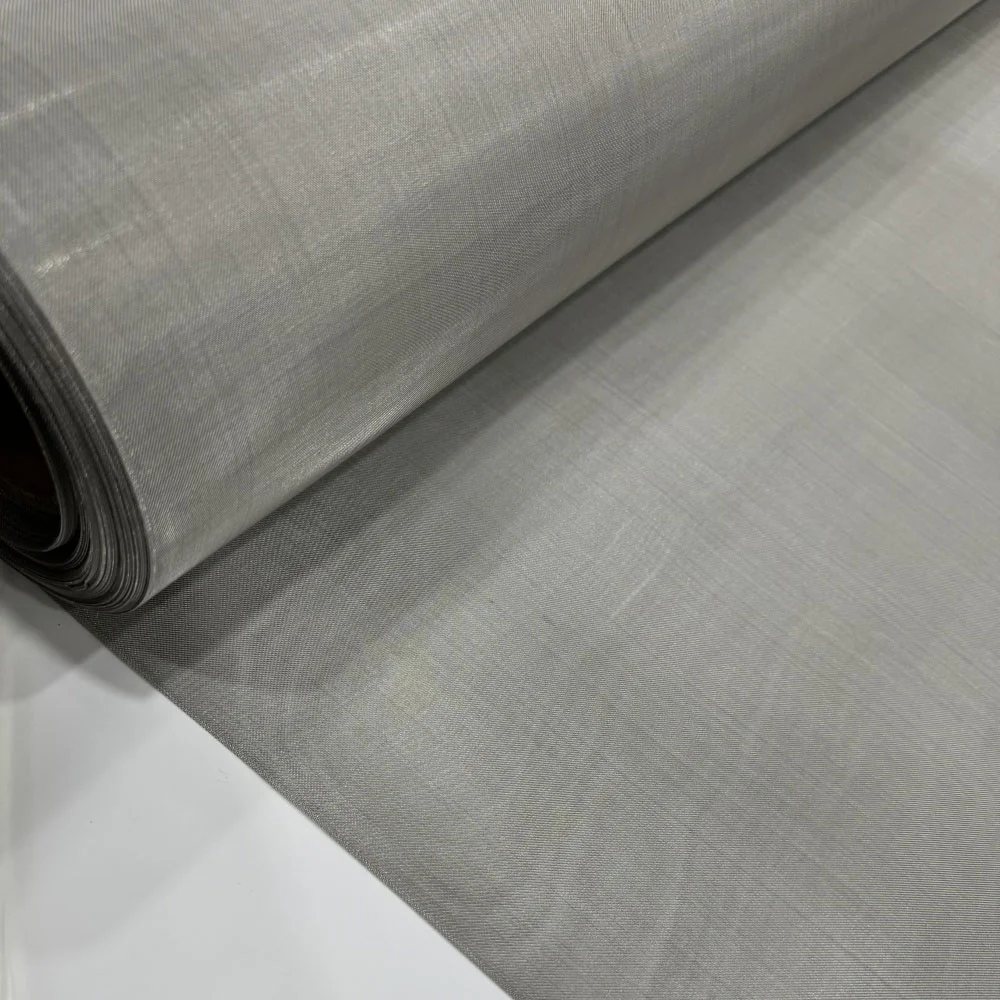
Unlike materials designed exclusively for decoration, architectural mesh can combine aesthetic and functional characteristics. Depending on the material, wire diameter, mesh opening, weaving pattern, and installation method, wire mesh can be used to create different visual effects while providing practical functions.
For architects and construction professionals, the key advantage is flexibility.
Architectural mesh can be incorporated into:
Building facades
Interior partitions
Decorative walls
Ceiling systems
Staircase applications
Balustrades and railings
Security screens
Space-dividing structures
Retail and commercial interiors
Public and transportation facilities
The final specification should be selected according to structural requirements, environmental conditions, safety considerations, and applicable building standards.
The architectural materials market is moving toward products that offer more than visual appeal. Buyers increasingly consider durability, material efficiency, environmental performance, and long-term maintenance when selecting construction materials.
This creates three important trends in the architectural wire mesh sector: higher material performance, more sustainable design, and greater customization.
Modern buildings can be exposed to humidity, pollution, temperature changes, mechanical impact, and other environmental factors. As a result, material selection has become increasingly important.
Stainless steel architectural mesh is particularly attractive for projects requiring corrosion resistance and mechanical strength. Stainless steel wire mesh can provide a combination of durability and visual consistency, making it suitable for both exterior and interior applications.
Different stainless steel grades may provide different levels of corrosion resistance and performance. For example, 304 stainless steel is commonly used in general environments, while 316 stainless steel may be considered for applications involving greater exposure to chlorides or coastal conditions.
For international buyers, selecting the appropriate material grade is therefore an important part of architectural mesh procurement.
Sustainability is becoming an increasingly important consideration in modern construction.
Architects and developers are looking for materials that can provide long service life, reduce maintenance requirements, and integrate efficiently into building systems.
Metal architectural mesh can support these design objectives through its combination of durability, open structure, and material efficiency.
In some applications, mesh can provide shading or screening while maintaining airflow and partial visibility. This can help architects develop building envelopes and interior spaces with different levels of light transmission, privacy, and ventilation.
However, actual energy-saving performance depends on the overall building design, orientation, climate, material selection, and installation system. Architectural mesh should therefore be considered as one component of a complete building solution.
Standard products cannot always meet the requirements of modern architectural projects.
A large commercial building may require one mesh specification for a facade, another for an interior partition, and a different material for a security application.
This has increased demand for custom architectural mesh.
Customization may involve:
Material grade
Wire diameter
Mesh opening
Weaving pattern
Roll width
Panel dimensions
Surface finish
Cutting
Bending
Welding
Stamping
Installation configuration
For international buyers, the ability to discuss these requirements directly with an experienced architectural mesh manufacturer can make product development and project sourcing more efficient.

Security does not necessarily need to conflict with architectural aesthetics.
Traditional protective structures can sometimes create a heavy or closed appearance. In contrast, architectural security mesh can create a visual barrier while maintaining a degree of transparency and airflow.
For example, mesh can be used around building entrances, balconies, staircases, equipment areas, or restricted spaces.
The security performance of a particular mesh depends on its material, wire diameter, aperture, construction, installation, and the complete structural system. Therefore, buyers should select specifications according to the actual security requirements of the project.
For architects, the benefit lies in having a material that can contribute to both protection and visual design.
Among different metal mesh materials, stainless steel remains an important choice for architectural applications.
Stainless steel wire mesh is known for its corrosion resistance, strength, and versatility. These properties make it suitable for projects where the mesh is expected to remain functional and visually consistent over an extended period.
Potential applications include:
Architectural stainless steel mesh can be used as an exterior screening or decorative element. Depending on the design, it can create texture and depth while maintaining a lightweight visual effect.
Architectural mesh can divide large interior spaces without completely blocking light or visibility. This makes it suitable for offices, hotels, retail environments, exhibition spaces, and public buildings.
Mesh can be incorporated into protective structures around staircases and elevated areas. The appropriate specification should be selected based on applicable safety and structural requirements.
Decorative metal mesh can be used as a design element in commercial interiors, hospitality spaces, transportation facilities, and other architectural projects.
Its ability to combine technical material properties with different visual effects makes it suitable for projects where design and functionality need to work together.
For international buyers, choosing architectural mesh should involve a technical evaluation rather than simply comparing appearance and price.
The first consideration is the material. Stainless steel, special alloys, brass, copper, and bronze can provide different physical and visual characteristics.
For demanding environments, buyers may consider stainless steel architectural mesh or special alloy wire cloth depending on temperature, corrosion, mechanical, and application requirements.
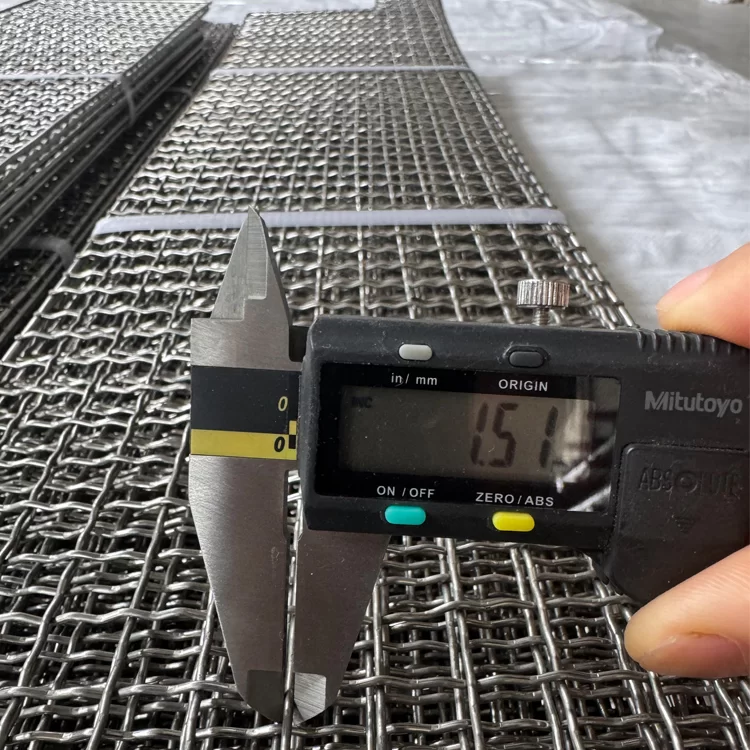
The relationship between wire diameter and mesh opening affects appearance, airflow, visibility, weight, and mechanical performance.
A smaller opening can provide greater screening, while a larger opening can create a more open visual effect. The optimal specification depends on the intended application.
Different weaving structures can produce different levels of flexibility, strength, and appearance.
For architectural projects, the weaving pattern can also become part of the visual identity of the building.
Large projects may require mesh to be cut, bent, welded, stamped, or fabricated into specific shapes.
Working with a manufacturer that has appropriate processing capabilities can simplify procurement and reduce the need to coordinate multiple suppliers.
The quality of an architectural mesh project depends not only on the design but also on manufacturing consistency.
Hebei Xiangguang Metal Net Co., Ltd. has been manufacturing wire mesh since 1989. Over more than three decades, the company has expanded its production capabilities and developed experience in different wire mesh categories.
Its product portfolio includes stainless steel wire mesh, SS wire cloth, special alloy wire cloth, brass-copper-bronze mesh and wire cloth, wire mesh filters, Australian security and fly screen mesh, architectural decorative mesh, and stainless steel wire.
The company is equipped with specialized production equipment, and quality is controlled throughout the manufacturing process from raw materials to finished products.
This manufacturing foundation enables Xiangguang to support customers with different product specifications and application requirements.
For international construction and building-material buyers, the relationship with a manufacturer should extend beyond a single transaction.
A strategic partner should understand the buyer's application, market requirements, product specifications, quality expectations, and long-term purchasing plans.
This is particularly important for architectural mesh because projects may require customized dimensions, specific materials, special processing, and repeat orders.
Hebei Xiangguang Metal Net Co., Ltd. emphasizes professional communication and an understanding of customer requirements. Its products have been exported to more than 100 countries and regions worldwide, giving the company extensive experience working with international customers.
For distributors and project buyers, this international experience can support more efficient communication throughout the sourcing process.
Architectural applications are only one part of Xiangguang's manufacturing capabilities.
The company also produces wire mesh filters, with customized processing such as stamping, welding, and bending. These products can be developed according to specific customer requirements.
Its special alloy wire cloth is designed for specialized industrial and research applications, including environments involving high temperature, high pressure, or corrosion.
Meanwhile, brass, copper, and bronze mesh can be used for applications requiring conductivity, electromagnetic shielding, filtration, or decorative properties.
This diversified product portfolio means international buyers can access different wire mesh solutions through an experienced manufacturer rather than relying on a single standard product.
The future of architectural materials is increasingly connected to the combination of performance and design.
Architects and developers need materials that can contribute to security, durability, ventilation, visual identity, and functional flexibility. At the same time, international buyers require manufacturers capable of maintaining stable quality and supporting customized requirements.
This is where the concept of a Future Leading Wire Mesh Factory becomes relevant: future-oriented manufacturing is not simply about producing more products, but about developing technical capabilities that respond to changing market requirements.
For architectural wire mesh, this means understanding material science, weaving technology, fabrication, application conditions, and architectural design requirements.
Hebei Xiangguang Metal Net Co., Ltd. has been developing these capabilities since 1989.
Whether your project requires architectural stainless steel mesh, decorative metal mesh, security mesh, stainless steel wire cloth, special alloy wire cloth, or customized wire mesh filters, selecting the right manufacturing partner can influence both product performance and project efficiency.
With more than 36 years of manufacturing experience, specialized production equipment, a broad product portfolio, and exports to more than 100 countries and regions, Hebei Xiangguang Metal Net Co., Ltd. provides international buyers with more than a standard product supply relationship.
The company aims to become a strategic partner that understands customer requirements and supports the development of suitable wire mesh solutions.
If you are sourcing architectural mesh, stainless steel wire mesh, architectural decorative mesh, or customized wire mesh for an international construction project, visit the official website of Hebei Xiangguang Metal Net Co., Ltd. to explore available products and discuss your requirements.
Official Website: https://www.xgwiremesh.com/
Contact the Xiangguang team with your required material grade, wire diameter, mesh opening, dimensions, application, and quantity to discuss a suitable wire mesh solution for your project.
This is the first article