Hit enter to search or ESC to close
3 November 2026
For a material that has been around since the Victorian era, brass mesh for cabinets has developed an odd second life. Walk into any kitchen renovated in the past two years and you will probably spot it behind a glass cabinet door: a sheet of woven brass catching the light, doing nothing in particular, and looking quietly expensive. It is not new technology and it is not a clever gimmick. That is exactly why it keeps winning.
Most articles on this subject start by listing the benefits — durability, warmth, a vintage look — and then stop. This one takes a different angle: the people who get it wrong, and how to avoid being one of them. Because brass mesh for cabinets fails in ways that are almost always avoidable, provided you understand the material first.

The revival of decorative brass mesh has less to do with the mesh itself than with a broader shift in kitchen design. After a decade of all-white, handleless, high-gloss minimalism, the market has swung the other way. Homeowners want warmth, texture, and something that does not look as though it was assembled by a robot. Woven metal delivers all three.
Designers lean on decorative brass mesh for a practical reason too: it adds richness without adding clutter. A plain white cabinet gains a clear focal point the moment you line the glass with woven brass. It reads as artisan, even though it is mass-produced — and that tension between a heritage look and industrial manufacturing is precisely what the market wants right now. Brass also ages well: over a few years it tarnishes into a deeper, warmer tone, which most people actually prefer to the factory-bright finish.
Here is where most people stumble. They buy brass wire mesh for cabinets on looks alone and ignore the two details that decide whether it sits right in a real cabinet: the material and the mesh count.
The material trap is the one nobody sees coming. Some suppliers sell brass-coated steel and call it brass mesh. It looks identical on day one, then fades and flakes within a year or two. Genuine brass wire mesh for cabinets is woven from solid brass wire, keeps its colour for decades, and tarnishes into a deeper tone that most buyers actually want. If a supplier cannot tell you, plainly, which one you are getting, treat that as a warning rather than a minor detail.
The weave matters almost as much. Plain weave is the standard — flat, uniform, and right for most cabinet use. Twill and dutch weaves look different and cost more, and they rarely justify the premium behind a cabinet door.
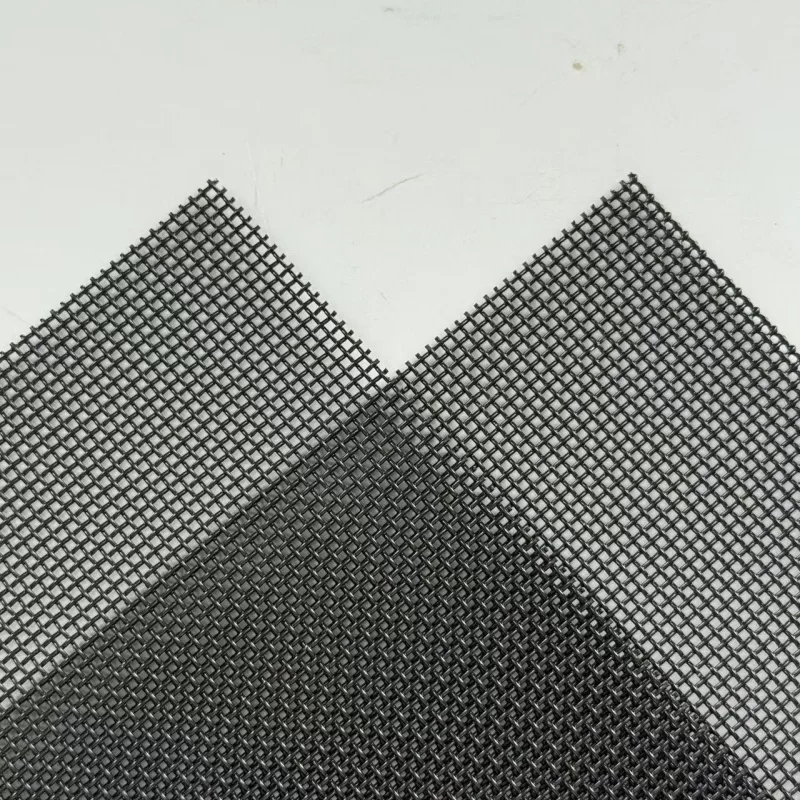
If you are installing brass wire mesh for cabinet doors specifically, the deciding factor is usually light and visibility. The mesh count controls how much you can see through the panel, which directly shapes your cabinet aesthetic. Different mesh counts create totally different visual effects — the table below maps common specifications to their natural uses:
Mesh Count | Visual Feature | Best Cabinet Application |
8–10 mesh | Large, open holes; highly transparent | Display cabinets, wine cabinets, showcase doors — where you want items clearly visible |
12–18 mesh | Balanced openness, soft blur | Kitchen upper cabinets, open shelving — the most popular decorative choice |
20–30 mesh | Dense weave, strong covering effect | Bar cabinets, cluttered storage — hide contents while keeping airflow |
35 mesh + | Nearly semi-opaque metal texture | High-end accent panels — the metal texture itself is the point |
Finish choice follows the same logic. A brushed finish hides fingerprints and suits a busy family kitchen; a polished one looks striking behind glass but shows smudges quickly. Do not order a finish based on a thumbnail. Ask for a physical sample — it is the cheapest insurance you will buy in this whole project.
Once the mesh count is settled, the next question is practical: how to make the panel fit the frame without warping, sagging, or rough edges. That is where most projects quietly go wrong.
Fitting brass mesh for cabinet doors is where the whole project lives or dies, and it is almost always a measurement problem. The mesh has to sit square in the frame with no sag and no curl at the edges. If you are cutting it yourself, leave a small margin for the frame rebate, use a sharp blade against a straight edge, and sand the cut edge — raw brass wire will snag your fingers otherwise.
Two specifics save people the most trouble. First, order slightly oversized and trim it in place rather than trying to make a perfect cut blind. Second, fix it with thin battens or clear silicone rather than staples, which pull through the weave and leave visible holes. Done this way, brass mesh for cabinet doors sits flat for years without ever drawing attention to the method of installation.
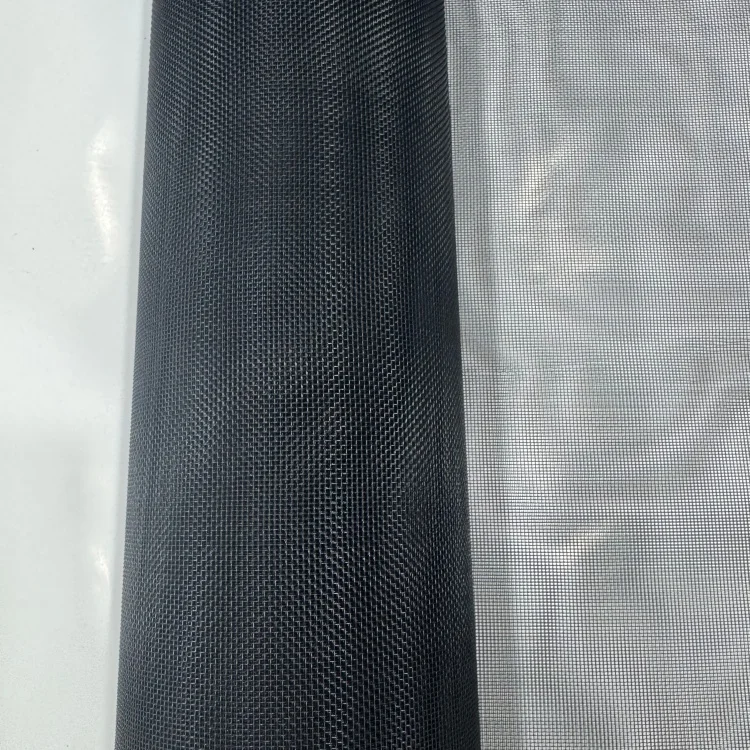
The easiest way to avoid every problem above is to have the mesh cut to size before it reaches you. That is where a factory earns its place in the project. A supplier who sells brass mesh for cabinets in pre-cut panels — sized to your door openings, edges finished, rolled or packed flat — removes the two failure points that ruin most DIY attempts: bad measurement and rough edges.
This is also where material honesty shows again. Brass mesh that is genuinely brass keeps its colour for decades and tarnishes into the deeper tone most people want, while plated versions fade within a year or two. A factory that tells you which one you are getting, and puts the grade plainly on the quote, is worth the slightly higher price.
Those are the qualities we build around at Hebei Xiangguang Metal Net Co., Ltd. Established in 1989 and based in Anping, Hebei — the historic heart of China's wire-mesh industry — we have spent more than three decades weaving wire cloth in stainless steel, alloy and brass/copper/bronze for filtration, shielding and decorative use. Our brass lines are woven on modern looms, cut and edged to your cabinet dimensions, and checked before they ship. If you need brass mesh for cabinets in ready-to-fit panels, or any custom woven metal, send us your door sizes and requirements today for a competitive quote. With our history, production capacity and quality control behind it, you are ordering from a supplier that has done this for a living since 1989.